

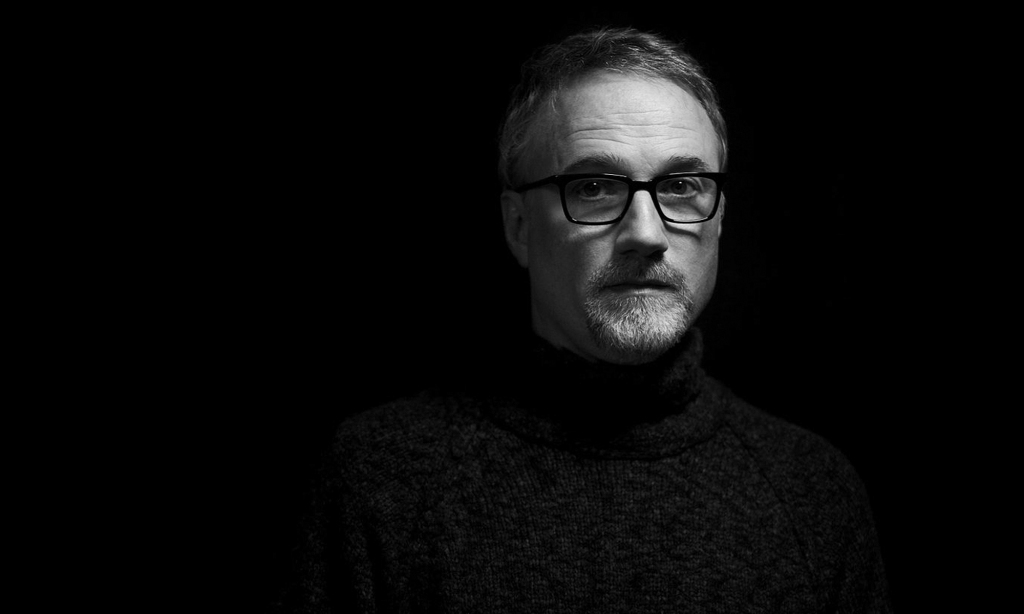
On 18 June 2020, cult auteur Paul Schrader has shared an article on Facebook about David Fincher (featured image by Merrick Morton, 2011) having actress Amanda Seyfried doing approximately 200 takes of her only scene to get it just right for his then upcoming film Mank, where Schrader has declared “there is a difference between an ‘obsessive perfectionist’ and a wanker.”

Was there a chance of a feud between directors? Unlikely, as Fincher is notoriously private, not on social media and is generally above addressing such comments (though he did surprise some quarantined film students with a masterclass on Zoom recently). Schrader has also commented under the post with an example of his working experience with the great-late George C. Scott, where the renowned actor told him on the set of Hardcore, that he will do two, maximum three takes if really needed, as after that they will all be the same.
Is it constraining to do so many takes or is it actually freeing? Does it suffocate the scene from having any life in it, or does it actually create an additional, if scripted “life” on top of “set, camera, and action”? According to some, it can be like theatre rehearsal with the opportunity to explore one’s character in a deeper way and find many variations on an existing scene. There are also actors who prefer to get things done in the first few takes due to notions of first instinct and spontaneity, or that they mine an emotional well that sooner or later runs out of ammunition and they are insecure about not having any more to give to the shot. Is it cruel to have actors (not to mention crew members) work so hard with sometimes not giving them any direction on what they need to do differently, or is this just a normal part of the creative process that can sometimes have tricky boundaries? What if you need to push an actor beyond their limits – perceived or otherwise – for them to lose all self-consciousness and reach a level they have never before thought possible? Not to hold this against any successful male directors, but rather to give critique of the industry’s sexist tendencies, if a female director did this, she would be more readily labelled as “difficult to work with”.
A video essay on YouTube by Tony Zhou of Every Frame a Painting shows Fincher’s obsession with detail and perfection that is infamous in the movie world. His films have generally been received favourably by critics and audiences alike, with few detractors. Schrader is part of an older generation and his career has been more mired in controversy due to the subjects he chose and the way he brought them to life, but also his general oeuvre has been more hit or miss with some great movies and some occasional clunkers that nevertheless remained interesting.
What’s remarkable is not the differences, but that there are some slight similarities between the two. Fincher is stylistically obsessive while Schrader emotionally mulls over certain themes and character types over many decades. I love both of their films, but for different reasons.
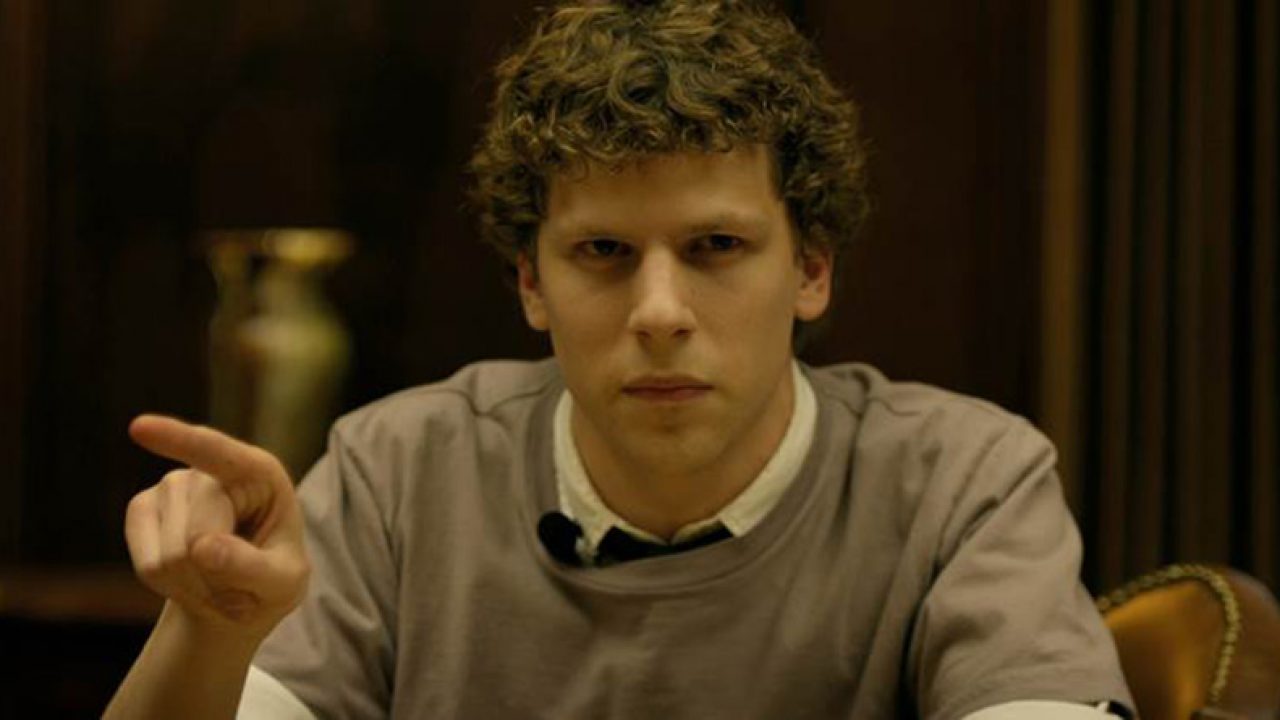

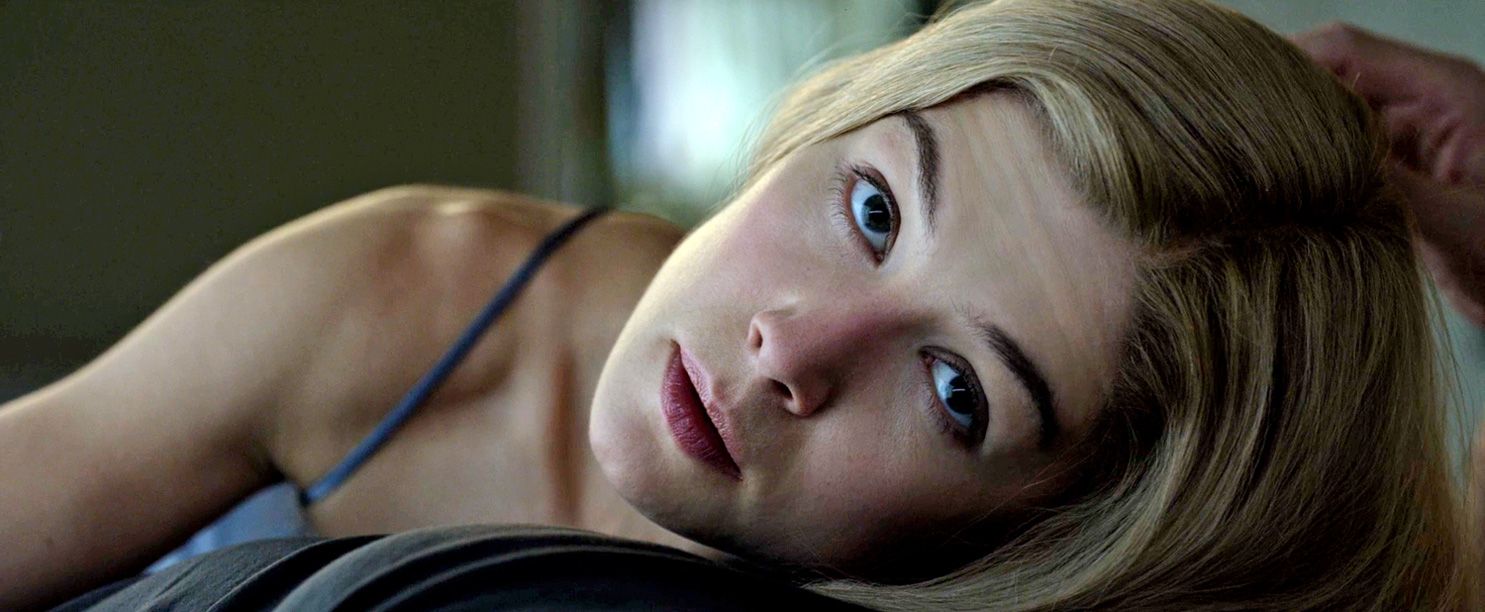
Fincher has directed more than one actor to towering, career-best performances (Jesse Eisenberg in The Social Network, Rooney Mara in The Girl with The Dragon Tattoo, and Rosamund Pike in Gone Girl), however these performances require a very specific tonality and presence that is about coldness, alienation, and being antisocially enigmatic, that might not offer a lot of variety. Actors generally tend to prefer a more outwardly emotionality, while audiences tend to be drawn in easier as well, even if holding back can have its own magnetism, with the observer filling in the blanks.
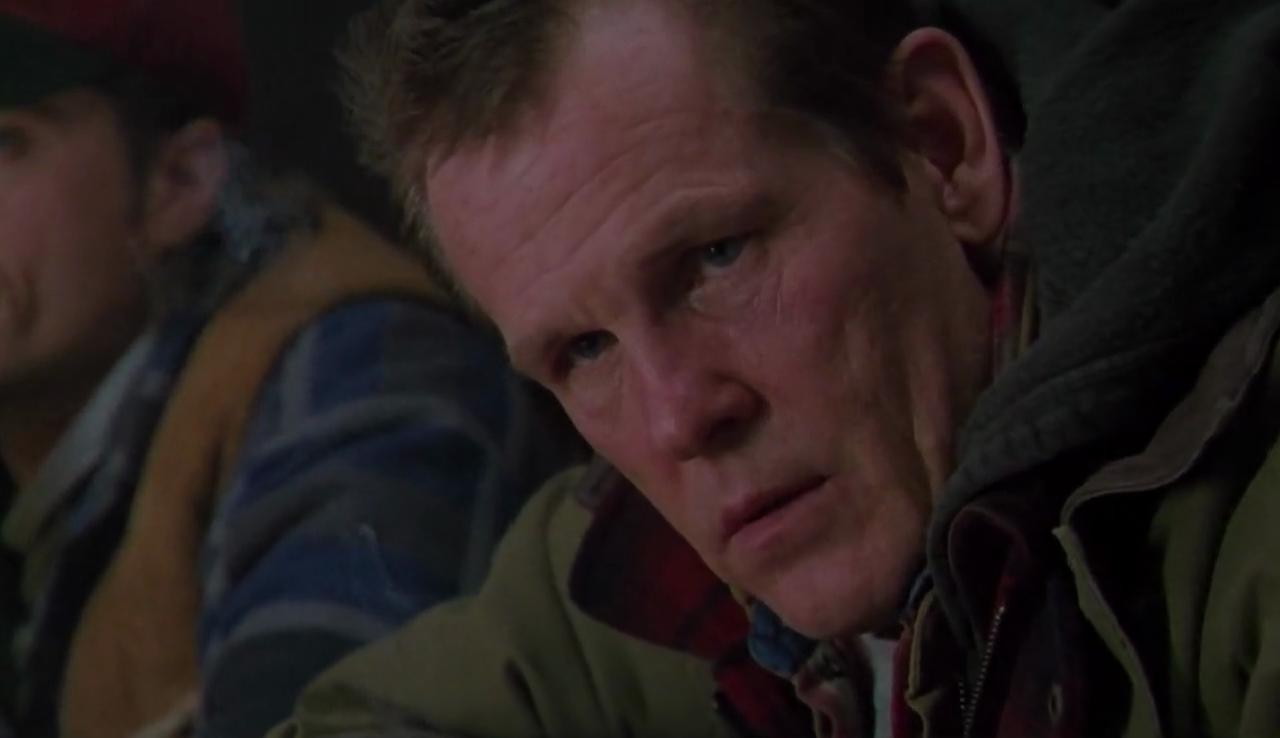
Schrader certainly prefers high-emotionalism, even if generally his style tends to be a mishmash or change from film to film. He has also directed some terrific performances, like an explosive Nick Nolte in Affliction or Ethan Hawke in the more recent First reformed, which is a piece of acting almost completely about suffering inwardly until the last moments of the film where it breaks into near-hysteria.

Going beyond the contractual obligations and general fake niceties of the film industry, actors seem to love Fincher’s methods and enjoy working with him (there are only a few exceptions), and there are craftsmen he has worked with more than once, and Schrader also has some go-to actors and craftsmen he continues to collaborate with.
There might be as many working methods as there are artists, and finding common ground might not always be possible, but in the end creative life always finds a way. Movies will be made and we will keep watching them, maybe because as Fincher says “people are perverts.”

 Ágoston's Film Odyssey